Doximity Launches DoseCheck to Catch Dangerous AI Drug Dosing Errors Before They Reach Doctors
Doximity Launches DoseCheck to Catch Dangerous AI Drug Dosing Errors Before They Reach Doctors
AI models make mistakes in more than 1 in 50 drug dosing recommendations.
DoseCheck AI hardening reduces the error rate to near zero
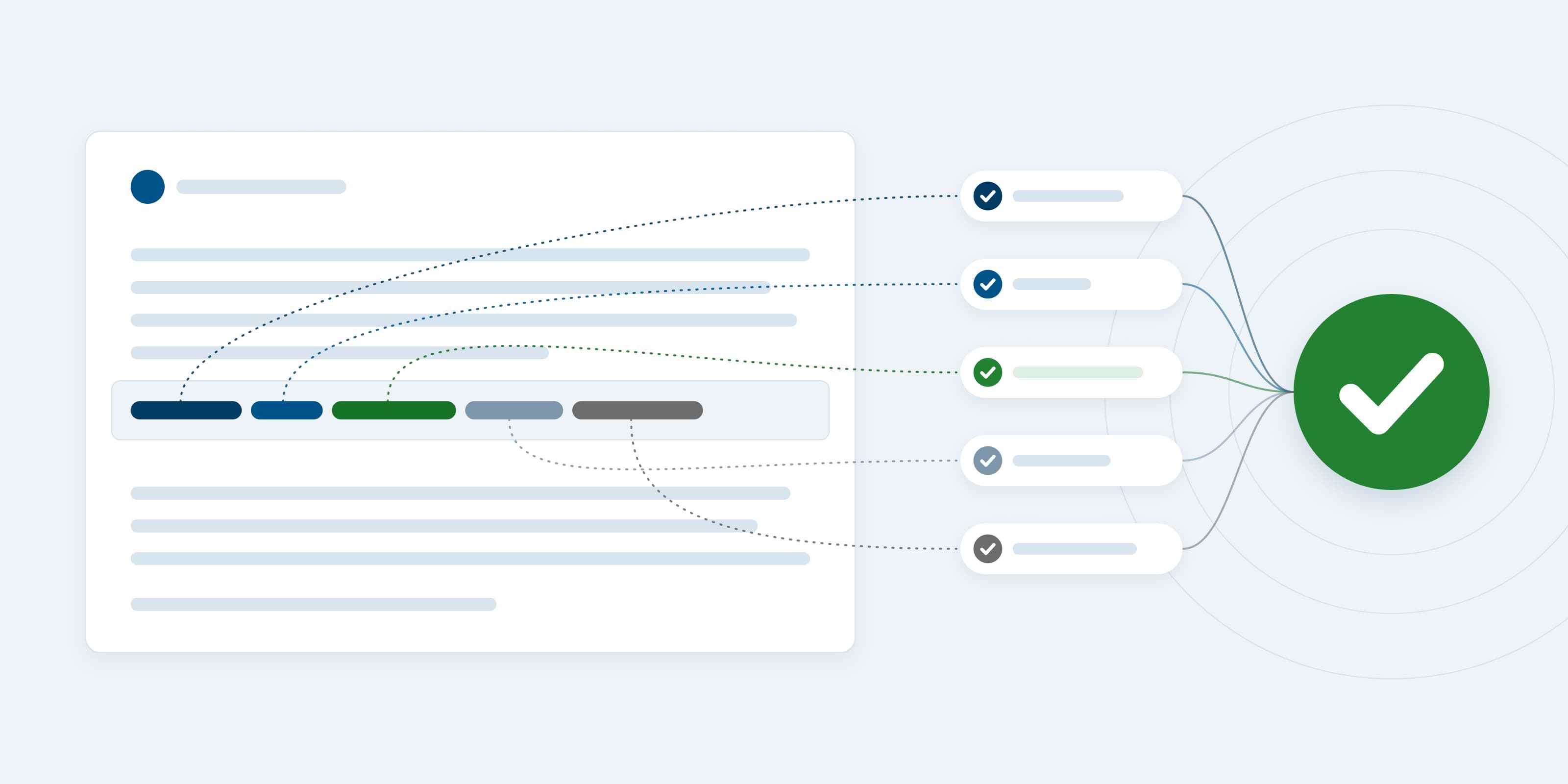
SAN FRANCISCO--(BUSINESS WIRE)--Doximity, Inc. (NYSE: DOCS), the leading digital platform for U.S. medical professionals, has launched DoseCheck, a free additional safety layer in Doximity Ask that instantly checks every AI-generated medication dosing claim against a structured drug database to reduce treatment errors and increase patient safety.
The probabilistic nature of AI means that it predicts the most likely answer based on the data it’s been trained on. This can lead to different but equally confident answers to the same prompt. When it comes to drug dosing, doctors need to know that the dosing recommendations AI generates are consistently accurate.
Building on Doximity’s existing work around AI safety, DoseCheck adds a deterministic, rule-based verification step to all dosing recommendations in Doximity Ask, Doximity’s clinical decision making support tool. By checking against FDA labeling and professional guidelines, DoseCheck increases accuracy to more than 99%.
Addressing an industry-wide challenge
Drug dosing accuracy is a challenge for any platform using AI to make recommendations to doctors. Doximity tested nine widely used AI models with more than 8,000 dosing questions based on real physician queries. At least 2.3% of dosing claims made by these models were wrong, and 43.8% of detected errors were serious or potentially lethal.
“AI is probabilistic. Drug dosing can’t be,” said Dr. Louis-Antoine Mullie, Chief AI Researcher at Doximity. “DoseCheck doesn’t ask a language model to grade its own homework. It checks dosing claims against a structured, authoritative database, so physicians get the same verified dosing answer every time.”
Common sources of errors identified in the analysis included:
- Recently approved drugs: AI models need time to train on new drugs, meaning LLMs were less accurate on dosing newer drugs.
- Failure to adapt dosing to a patient’s specific characteristics, including things like kidney function, age, weight, medical history.
- Incorrect units, decimal point placement, and confusing drugs with similar names.
DoseCheck is free and has been rolled out to all Doximity Ask users across mobile and desktop.
This latest launch builds on Doximity’s existing work to increase safety for patients. Doximity’s PeerCheck program features more than 12,000 cited physician experts evaluating and improving Doximity Ask outputs, and Doximity Ask ranked top among U.S. clinical AI models in the NOHARM study from researchers at Stanford and Harvard.
Doximity’s membership includes more than 85% of all U.S. doctors, and its Clinical AI Suite, including Ask, has been deployed across more than 165 health systems, including 10 of the nation's top 20 hospitals.
To learn more about Doximity Ask, visit www.doximity.com.
About Doximity
Founded in 2010, Doximity is the leading digital platform for U.S. medical professionals. The company's network members include more than 85% of U.S. physicians. With AI-powered clinical reference and search capabilities, Doximity helps doctors access trusted, peer-reviewed information and medical literature. Doximity's mission is to help doctors be more productive so they can provide better care for their patients.
Contacts
Media Contact
Richard George
pr@doximity.com
Investor Contact
Perry Gold
ir@doximity.com